



Visit Les Eyzies-de-Tayac-de-Sireuil
Les Eyzies is the world capital of prehistory in the Dordogne department.
Visitors flock to this peaceful village located in the heart of the Vézère valley in southwestern France to discover its various caves, such as the Lascaux cave, and prehistoric sites, including the Font-de-Gaume cave, the Roc de Gazelle caves, and the Sorcier prehistoric cave.
The discovery is all the more exciting as these iconic sites follow one another in an impressive setting of cliffs, and the village and its surroundings are ideal for many outdoor activities.
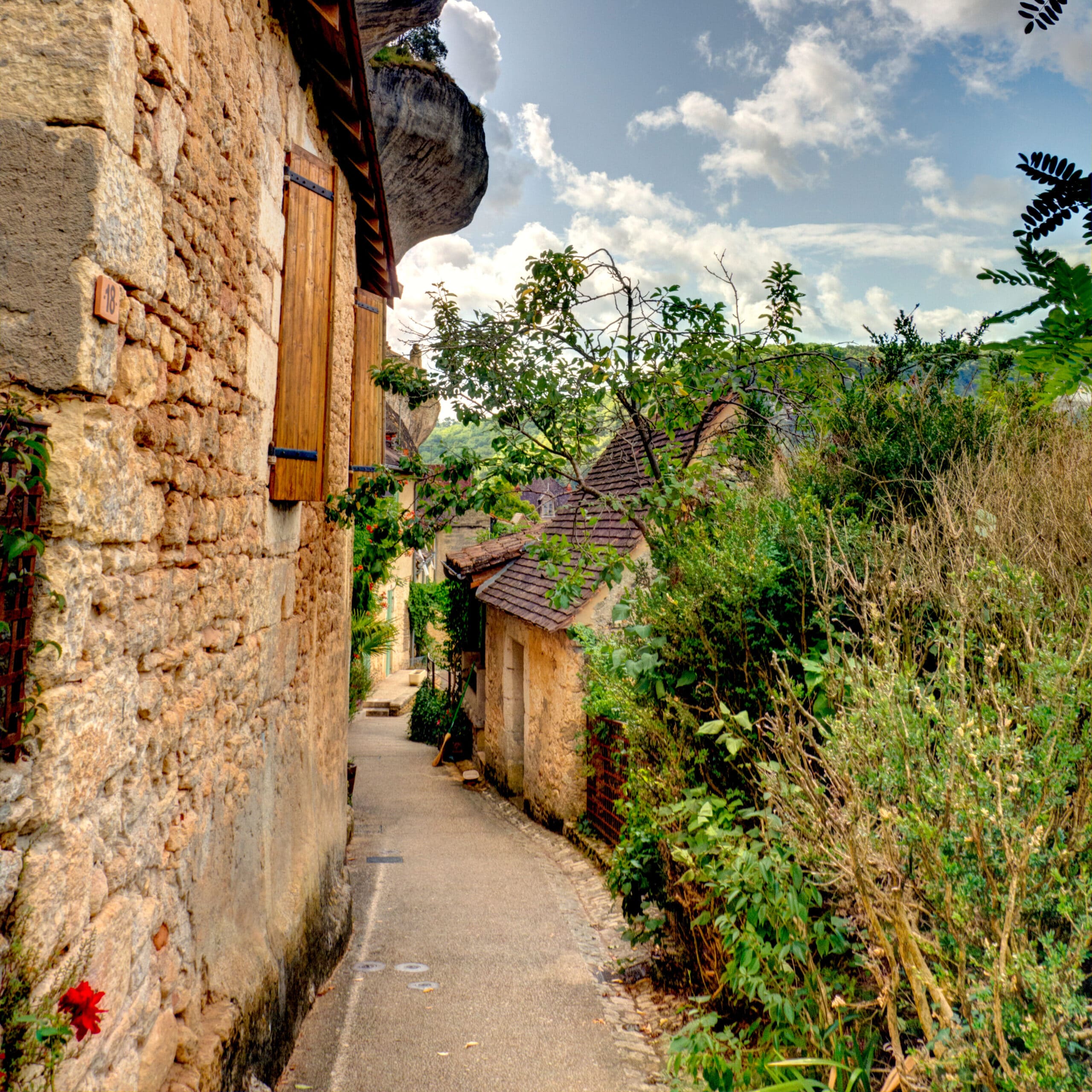
Where are Les Eyzies located?
Les Eyzies is located in the heart of the Périgord Noir, a leading holiday destination in the Dordogne.
Known in particular for its caves and prehistoric sites, the village in the Dordogne Valley attracts history buffs and nature lovers alike.
This charming medieval town in the heart of the Vézère Valley is also a starting point or stopover for exploring other destinations that are just as well known, such as Limeuil and Saint-Cyprien, as well as Beynac, Castelnaud, La Roque-Gageac, Domme, and Sarlat-la-Canéda.
Les Eyzies: world capital of prehistory
The international reputation of Les Eyzies-de-Tayac stems from the record number and density of prehistoric sites found within its territory.
The shelters, deposits, and decorated caves of the Vézère Valley, in and around the town of Les Eyzies, are archaeological sites of unique scientific value and remain important centers of research for paleontology and anthropology.
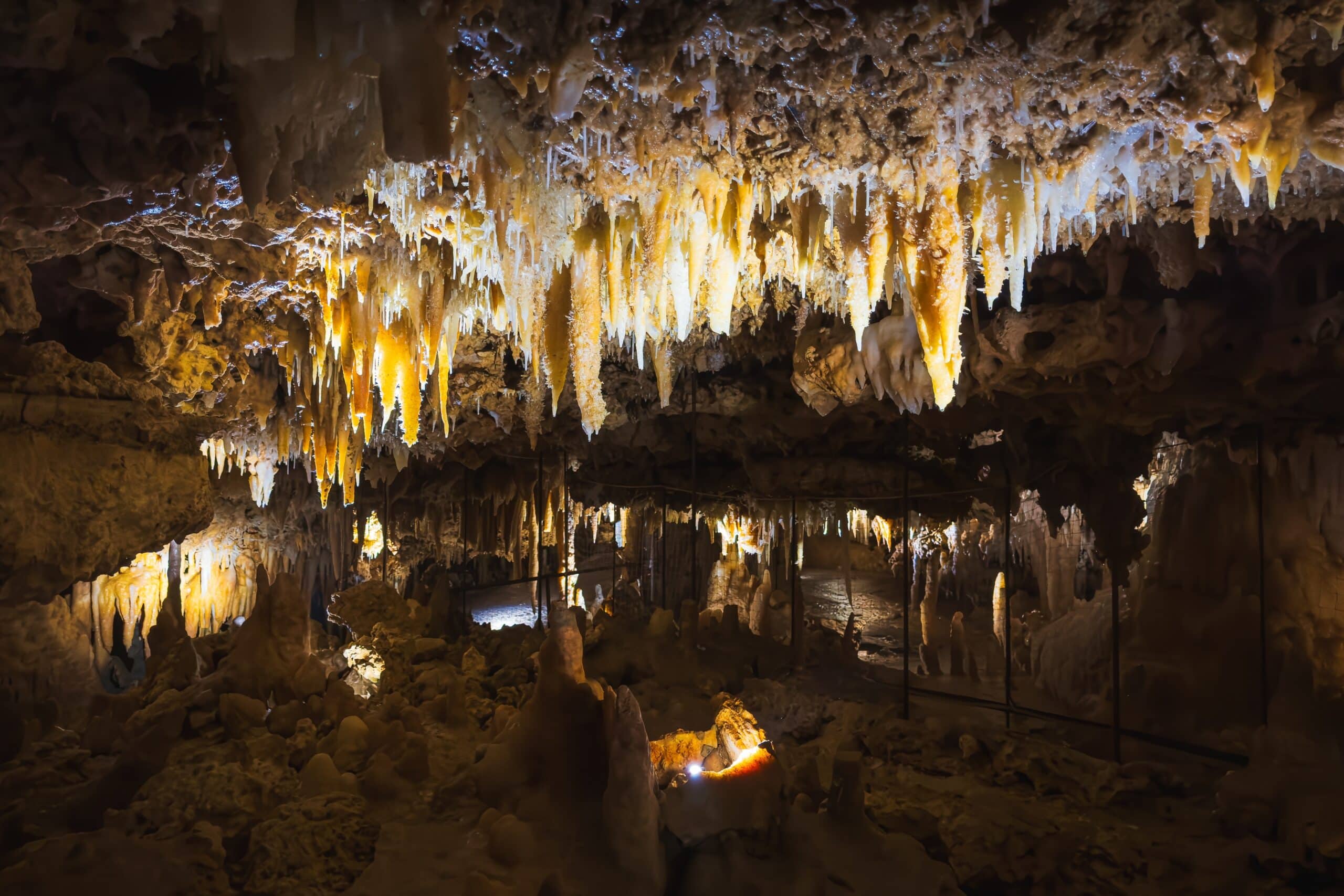
In Les Eyzies, visitors can explore the must-see decorated caves of Font-de-Gaume and Combarelles, listed as UNESCO World Heritage Sites, as well as the prehistoric sites of Le Moustier, La Micoque, La Ferrassie, and Laugerie Haute, and the rock shelters of Le Poisson and Cap Blanc, famous for their bas-relief animal sculptures.
The territory of Les Eyzies is the site where fossils of Homo sapiens were discovered, grouped under the famous name of Cro-Magnon, in reference to the rock shelter that sheltered them.
22 km from Sarlat-la-Canéda and 24 km from Montignac-Lascaux, the world capital of prehistory is finally home to the National Museum of Prehistory, a place of research, education, and conservation housed in the town's former castle on the cliffside.
On its upper terrace, facing the Vézère River, stands the silhouette of Paul Dardé's statue "L'Homme Primitif" (The Primitive Man), now emblematic of the city. Are you passionate about prehistory? Learn more about the prehistoric caves in the Dordogne.
What to do in Les Eyzies in the Dordogne?
- The National Museum of Prehistory, 1,500 square meters of museum space to explore in an exceptional location clinging to the cliffside above the village and the Vézère River.
- The Combarelles Cave, decorated with several hundred Magdalenian engravings depicting mammoths, horses, ibex, reindeer, woolly rhinoceroses, bears, and felines.
- Commarque Castle, a magnificent medieval complex consisting of a fortified castle perched on a rock and cave dwellings.
- The Vézère: there are several canoe and kayak centers in Les Eyzies offering trips through the most beautiful landscapes of the Vézère valley. Paddleboard rentals are also available.
- Roc de Cazelle Park: in rock shelters, on rocky terraces, and on a farm, this family-friendly park features numerous reconstructions of prehistoric scenes, as well as workshops on painting, shooting, flint knapping, and fire-making.
- The Cro-Magnon Shelter: a new, fun, and interactive museum built on the site where Cro-Magnon man was discovered.
- The Grand Roc cave: a magnificent cave with concretions, also known as the "mineral forest," halfway up the cliff above the Vézère River.
- Hiking trails: The village of Les Eyzies is the starting point for several hiking trails, following in the footsteps of prehistoric humans, through the woods or exploring hamlets.
- The Font-de-Gaume cave: a must-see in the Vézère valley, one of the most beautiful decorated caves with its sublime polychrome paintings of aurochs, mammoths, lions, and wolves.
- The shelters of Laugerie Basse: a cliff occupied by humans since the Magdalenian period, which can now be visited with the help of an interactive tablet.