



Visit the Lascaux Caves
The Dordogne has many prehistoric sites and caves dating back to the Paleolithic era and Cro-Magnon man, which provide us with information about the environment and way of life of the first human communities that settled in the caves of Europe several thousand years ago.
One of these sites is the Lascaux cave, located in the town of Montignac.
The site has been closed to the general public since the 1960s. However, visitors can still get an idea of the artwork that adorns its walls by visiting the facsimile (Lascaux II) or the complete reproduction at the International Center for Cave Art (Lascaux IV).
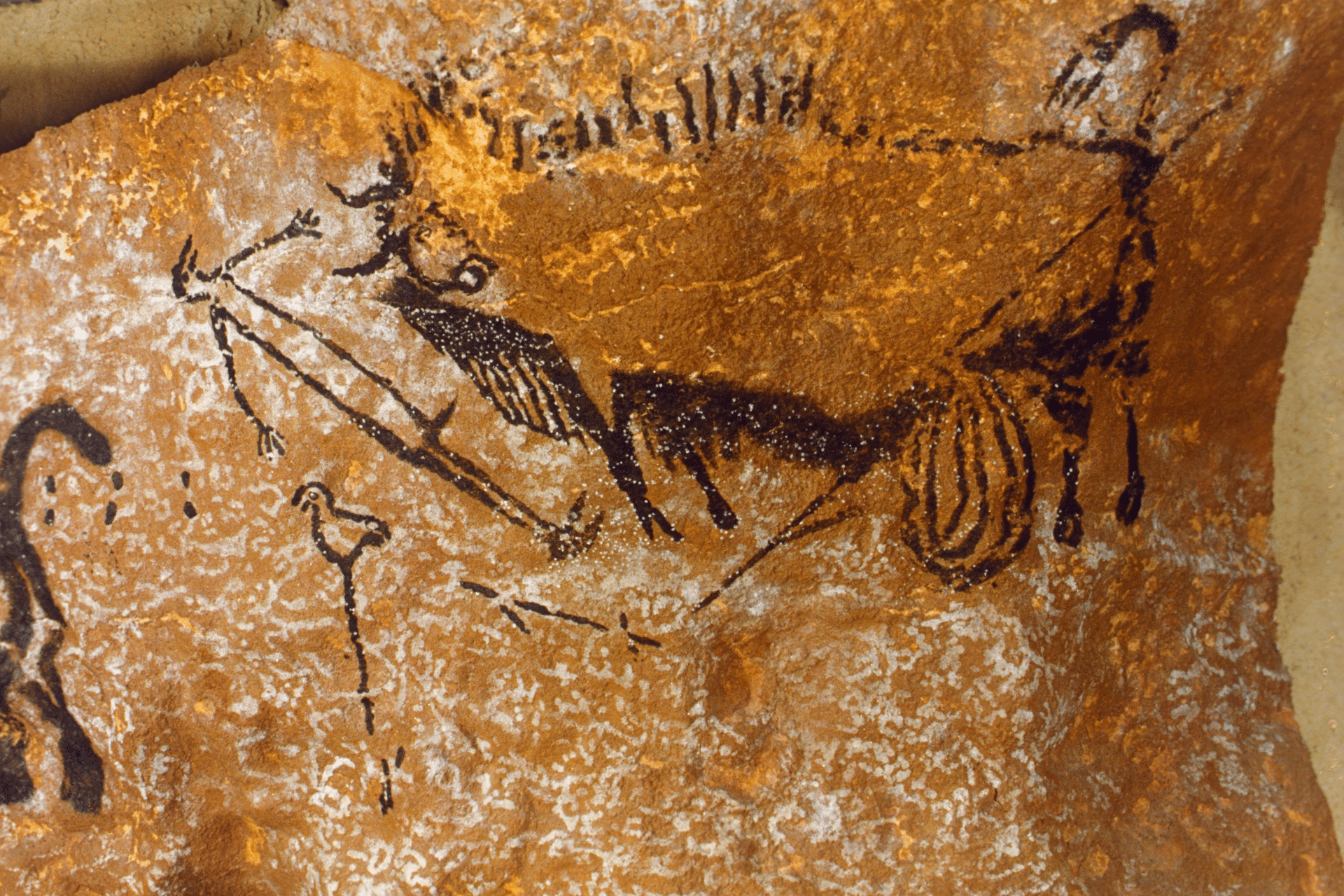
Where are the Lascaux Caves located?
The Lascaux cave is located in the town of Montignac.
Known throughout the world, it is one of many classified prehistoric sites in the Vézère valley, a veritable "Sistine Chapel of prehistory."
For conservation reasons, it is no longer possible to visit the original cave. However, the public can get a glimpse of the treasures contained within the site thanks to the facsimile opened in 1983. Better still, since 2016, the International Center for Cave Art has been offering visitors the chance to discover a complete reproduction of the cave paintings that adorn the Lascaux cave.
The Lascaux caves in figures
The Lascaux cave was discovered by four teenagers in September 1940. It was opened to the public in 1948, but was closed in 1963 for conservation reasons.
Following the closure of the original cave in the 1960s, a facsimile (Lascaux II) has been displaying some of the works contained within the site since 1983. In 2016, the public can discover a complete reproduction of these cave paintings at the International Center for Cave Art (Lascaux IV).
The paintings and engravings found in the Lascaux cave were created between 17,000 and 19,000 years ago. These estimates are based on dating techniques and studies of various objects found at the site. Most experts attribute these works to the Magdalenian period.
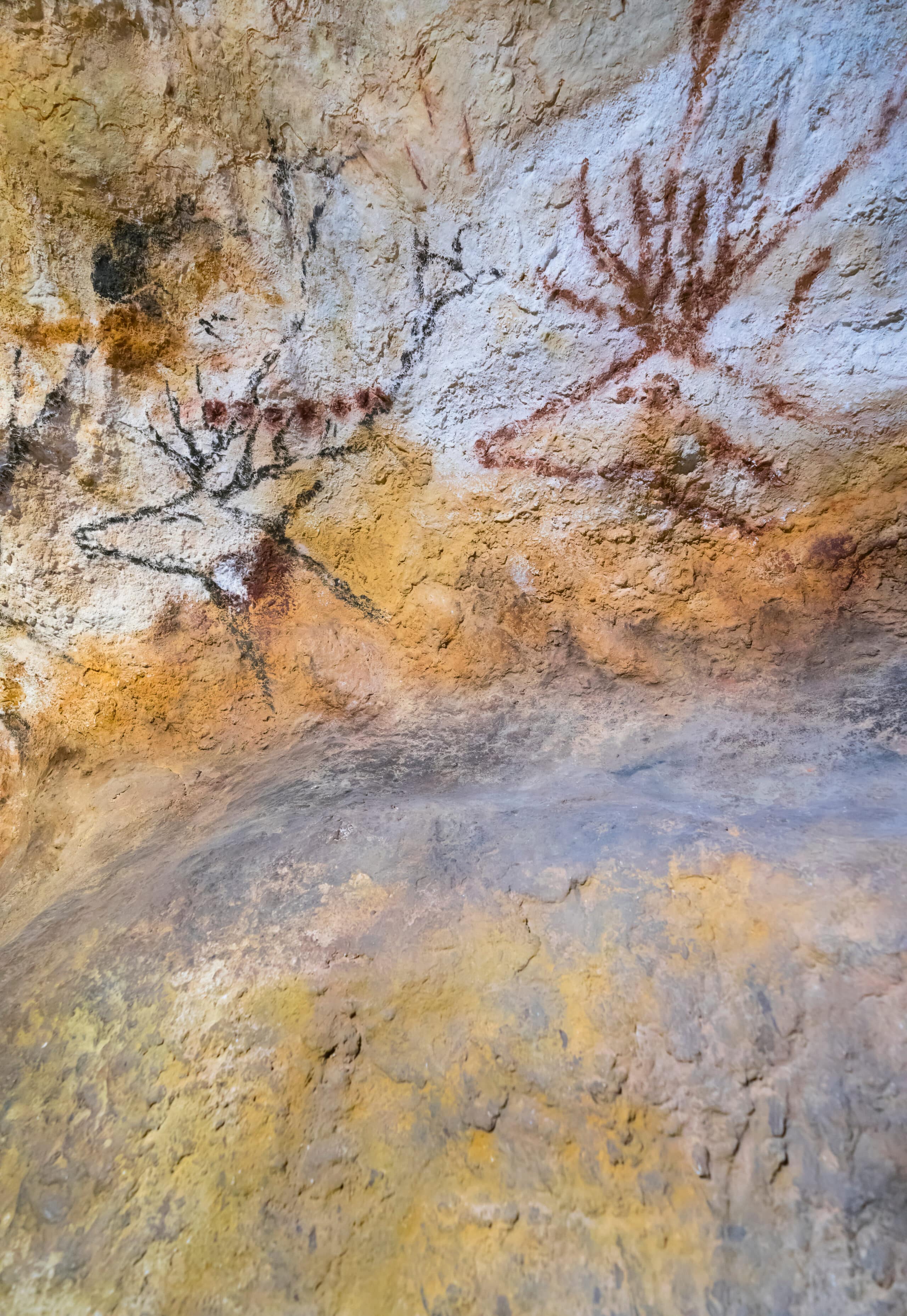
Lascaux IV stands out for the diversity of its visitors, with 60% French and 40% foreign visitors, whereas the ratio is around 80/20 for other sites.
Lascaux IV welcomed some 500,000 visitors in 2017. In July 2019, Franceinfo reported that visitor numbers had exceeded the symbolic milestone of one million. "The millionth visitor was identified this [Thursday, July 11] morning," said André Barbé, CEO of Semitour, the site's operator.
Who discovered the Lascaux caves?
In September 1940, Marcel Ravidat discovered a cave in the hill at Lascaux.
Four days later, the young man returned to the site accompanied by three of his friends, Jacques Marsal, Georges Agniel, and Simon Coencasa. The teenagers rushed into the cave and discovered numerous prehistoric rock paintings adorning its walls.
Maurice Thaon, a renowned specialist in cave art, subsequently produced the first drawings and sketches of the walls of the Lascaux cave. More than thirty reproductions were made. Maurice Thaon resumed his work after 1942, this time photographing the paintings.
The Lascaux cave was opened to the public after World War II, specifically in 1948. The site attracted millions of visitors. The priceless value of the cave paintings and the special importance attached to them by the public moved Abbé H. Breuil—under whose authority Maurice Thaon had worked—to the point that he nicknamed the cave "the Sistine Chapel of prehistory."
To define a strategy for preserving the Lascaux cave, André Malraux, then Minister of Culture, set up a scientific commission. The government finally decided to close it to the public on April 18, 1963.
Visit the famous prehistoric caves
Following the facsimile of the original cave (Lascaux II) and the traveling exhibition Lascaux III, the International Center for Cave Art (Lascaux IV) has been offering a life-size reproduction of the paintings and engravings that adorn the Lascaux cave since 2016.
The site is one of the must-see attractions in the Vézère Valley. A visit here is an unforgettable experience to share with family or friends. It is an opportunity for adults and children alike to learn more about cave art created thousands of years ago.
Lascaux IV offers an interactive, digital tour of its replicas. With a tablet in hand, visitors can explore reproductions of the Lascaux cave decorations at their own pace.
Several rooms await visitors. In the workshop, the public can immerse themselves more deeply in the paintings of the Lascaux IV cave. They can also relive the interpretation of cave art through the ages in the digital theater.
3D cinema also allows visitors to immerse themselves in other caves around the world. Finally, a customizable exhibition hall showcases the greatest works of contemporary art.